- 2nd January, 2026
- By Rob Lawson
Mastering Google Analytics 4: Essential Tips for Your Business

In today's digital age, understanding your audience and monitoring your site's performance has become a cornerstone of effective marketing. Enter Google Analytics 4 (GA4), a tool that’s making waves across the digital marketing world. Building on the foundation set by its predecessor, Universal Analytics, GA4 introduces a host of advanced features aimed at providing deeper insights into user behaviour. But making sense of these features can often feel daunting. Let’s dive straight in and unravel the intricacies of Google Analytics 4 and how it can power up your marketing strategy.
By moving to an event-based data model, GA4 helps businesses connect actionable insights directly to their marketing strategy, revealing how users engage across channels and devices. At the same time, it offers powerful tools to analyse and improve website performance, enabling marketers to optimise user journeys, enhance engagement, and ensure their digital efforts are aligned with measurable business outcomes.
The Transition from Universal Analytics to GA4
It wasn’t too long ago when Universal Analytics, affectionately known as UA, served as the go-to platform for marketers craving insights about their web traffic. UA was revolutionary for its time, giving businesses an unprecedented glimpse into where their audience was coming from and how they interacted with their website. But as the internet continued to evolve, so did the demands placed upon this platform.
UA's limitations sparked the creation of GA4. Google reimagined analytics with a keen focus on providing an enriched understanding of the entire customer journey across devices and platforms. Unlike UA's session-based model, GA4 (Google Analytics) embraces an event-based model designed to track user interactions more holistically.
This shift marked a fundamental change in how data is collected and interpreted, moving beyond isolated sessions to a continuous view of user engagement. By capturing meaningful actions such as clicks, scrolls, and conversions, GA4 enables marketers to better understand intent, adapt to privacy-first measurement, and build more accurate insights in an increasingly multi-device digital environment.
Key Features and Improvements in GA4
GA4 brings a plethora of enhancements that widen the scope of analytics. Designed to meet the demands of a rapidly evolving digital landscape, these improvements go beyond traditional traffic measurement to deliver a more nuanced and actionable understanding of user behaviour. From capturing meaningful interactions in real time to accommodating privacy-first data collection, GA4 equips businesses with smarter tools to analyse performance, adapt strategies, and gain clearer visibility into how users engage across platforms and devices.
GA4’s shift to an event-based model allows it to track a variety of user interactions beyond simple pageviews and sessions. This model aligns with evolving user interactions, where every click, scroll, and pageview translates into an event that can be tracked and analysed.
Leveraging the power of artificial intelligence, GA4 offers predictive metrics that help you anticipate future user actions. This means you can now proactively adjust your strategies based on predicted audience behaviour.
Whether your audience accesses your site through desktop, mobile, or an app, GA4 unifies these interactions into a single stream. This comprehensive view aids in crafting seamless user experiences across devices.
Setting Up Events Efficiently
One of the distinctions between Universal Analytics and GA4 is how they handle conversions, or, as GA4 labels them, events. Conversions in the digital realm refer to crucial milestones like completing a purchase, signing up for a newsletter, or downloading a resource. However, GA4's expanded event tracking means you can also monitor a wider range of user activities. Setting up these events efficiently can significantly enhance your understanding of user interactions. Here’s how:
1. Identify Key Interactions:
Pinpoint actions critical to your business objectives. This could range from video plays to button clicks. Clearly defining these interactions ensures that the data collected directly reflects meaningful user intent rather than vanity metrics. Focusing on actions tied to real outcomes helps teams prioritise optimisation efforts and measure success more accurately.
2. Use Enhanced Measurement:
GA4 includes Enhanced Measurement features that automatically collect data on certain types of interactions, such as scrolling or outbound clicks, without needing customisation.
This reduces reliance on manual tracking and speeds up implementation, making it easier to capture valuable behavioural data from day one. It also provides a strong baseline for analysis, especially for teams with limited technical resources.
3. Custom Events:
While GA4 auto-tracks many interactions, you may need custom events to capture unique engagement metrics. These require more technical setup but offer insights tailor-made for your strategies.
Custom events allow businesses to track highly specific actions that reflect unique workflows or user journeys, delivering deeper insights that standard tracking alone cannot provide.
Regular reviews of these events will let you know what's working, what's not, and where to pivot your strategies. By routinely auditing event performance and relevance, organisations can refine their tracking framework over time, eliminate redundant data, and ensure analytics continues to support informed, data-driven decision-making as business goals evolve.
Understanding the Analytics for Strategic Insights
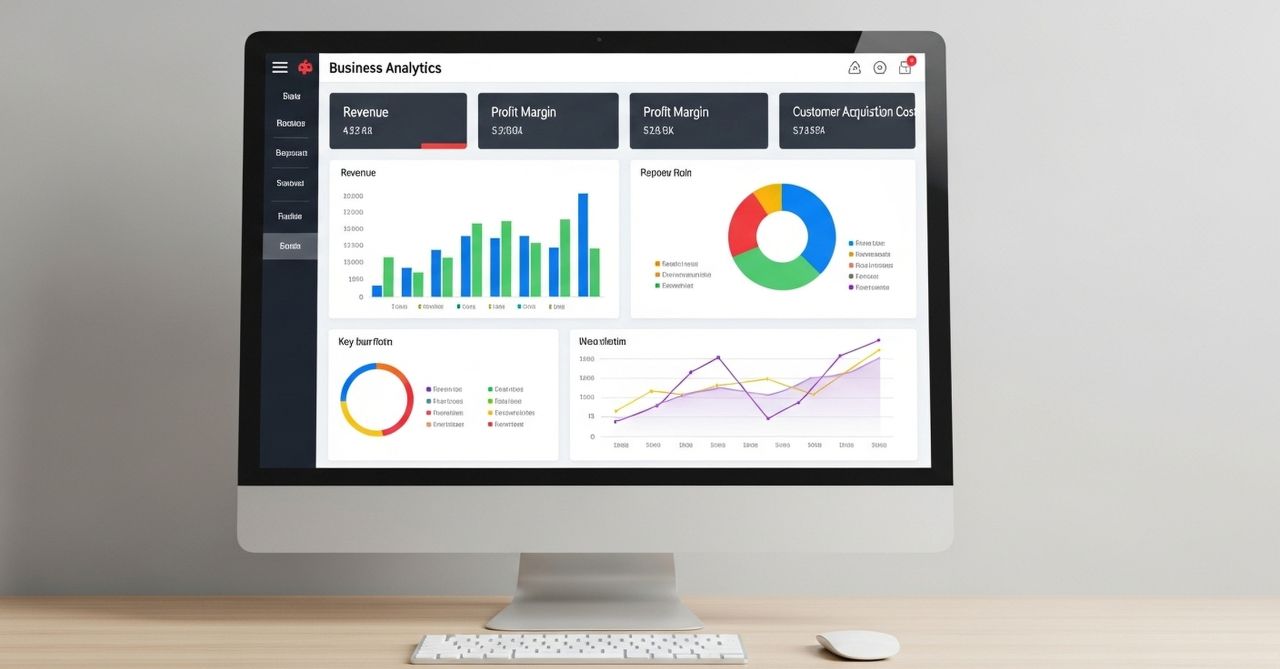
Looking at analytics data alone doesn’t guarantee strategic success. Real power lies in drawing actionable insights from this data, which often requires a discerning eye familiar with both art and science.
Interpreting analytics effectively involves moving beyond surface-level metrics and focusing on patterns, trends, and behaviours that reveal user intent. By contextualising data within broader business objectives, teams can transform raw numbers into insights that support smarter planning and long-term decision-making.
- Regular Analysis: Analytics should be an ongoing part of your strategy discussions. Revisit and re-evaluate data regularly to adjust strategies as needed. Consistent review cycles help identify emerging opportunities and potential risks early, allowing businesses to respond proactively rather than reactively. Over time, this disciplined approach builds a more agile and resilient strategy.
- Ask the Right Questions: Seek to answer why certain outcomes are happening. Are traffic sources changing? Are conversion rates dipping on specific devices? Why might that be? Focusing on the “why” behind the data encourages deeper investigation and helps uncover root causes rather than symptoms. This leads to more effective solutions and prevents short-term fixes that fail to address underlying issues.
- Blend Creativity and Data: Use your data-driven insights to fuel creative ideas. Experiment with different types of content or campaign adjustments based on analytical findings. When creativity is guided by data, experimentation becomes more purposeful and measurable. This balance enables teams to innovate with confidence while ensuring creative efforts are grounded in real user behaviour and performance insights.
Making Google Analytics Work for You
When configured thoughtfully, GA4 becomes more than a reporting tool; it acts as a central intelligence hub that connects data across SEO, search engine marketing, and broader digital initiatives. By unifying insights from multiple channels, businesses can build a clearer picture of performance, user intent, and campaign effectiveness.
Google Analytics can significantly influence your digital marketing strategy, provided it aligns seamlessly with your organisational goals. Here are the steps to optimise GA4 for your business:
- Align Analytics with Goals: Start with clear objectives, and ensure that every tracked event, conversion, and metric has a purpose tied to these goals. This alignment ensures that website tracking supports real business outcomes rather than surface-level metrics. When analytics goals mirror organisational priorities, data becomes easier to interpret and far more actionable across marketing teams.
- Regular Training and Updates: The landscape of digital marketing evolves rapidly, and so do tools like GA4. Regular training ensures your team stays well-equipped to leverage the latest features. Ongoing learning helps teams adapt analytics practices to new technologies such as marketing automation, ensuring data flows smoothly between platforms and supports smarter, faster decision-making.
- Consult the Experts: If you’re feeling overwhelmed or unsure, it’s wise to seek expert advice. Professional insights can illuminate paths forward you might not have considered. Experienced analysts can help integrate GA4 more effectively with SEO and paid acquisition efforts, uncover hidden optimisation opportunities, and ensure analytics configurations are scalable as your digital ecosystem grows.
Navigating Your Analytics Journey

The complexity of Google Analytics 4 might seem daunting, but the rewards it offers are enormous. Mastery of this platform can lead to more refined strategies, improved user engagements, and ultimately, enhanced business outcomes.
Google Analytics isn’t just about collecting data; it’s about a strategic partnership with insights that can propel your business forward with precision and creativity.
By approaching GA4 with a structured mindset, businesses can turn analytics into a powerful driver for SEO, search engine marketing, and accurate website tracking. As insights mature over time, they enable clearer performance benchmarking, more confident optimisation decisions, and stronger alignment between data and strategic intent. This journey is less about perfection from day one and more about continuous learning, refinement, and growth driven by meaningful insights.
Conclusion
Understanding and effectively leveraging Google Analytics 4 is essential for businesses aiming to make smarter, data-driven decisions in a rapidly evolving digital landscape. By embracing GA4’s event-based model, predictive capabilities, and cross-platform insights, organisations can gain a clearer understanding of user behaviour and performance across channels.
When supported by thoughtful event configuration, regular analysis, and strategic interpretation, GA4 becomes a powerful tool for improving engagement, refining campaigns, and driving measurable business outcomes.
At Digital Assassin, we help businesses unlock the full potential of Google Analytics 4 by aligning analytics with SEO, search engine marketing, and accurate website tracking strategies. Our approach focuses on turning complex data into actionable insights, building scalable measurement frameworks, and supporting long-term digital growth. Contact an Assassin today to refine your analytics strategy and transform insights into sustained performance gains.
FAQs
Google Analytics 4 (GA4) is Google’s latest analytics platform designed to provide a deeper understanding of user behaviour across websites and apps. Unlike Universal Analytics, which relied on a session-based model, GA4 uses an event-based data model to track interactions more holistically across devices and platforms.
GA4 is important because it aligns analytics with evolving user behaviour and privacy-first measurement. It helps businesses connect data-driven insights directly to their marketing strategy, enabling better decision-making, improved engagement, and more accurate performance measurement across channels.
In GA4, every user interaction—such as clicks, scrolls, video plays, and conversions—is tracked as an event. This approach provides a continuous view of user engagement rather than isolated sessions, making it easier to analyse intent, behaviour patterns, and customer journeys.
Key features of GA4 include an event-based data model, AI-powered predictive analytics, and cross-platform insights. These capabilities allow businesses to anticipate user behaviour, track interactions across devices, and gain a unified view of performance in a multi-device digital environment.
To set up events efficiently in GA4, businesses should first identify key interactions tied to business goals, leverage Enhanced Measurement for automatic tracking, and implement custom events for unique engagement metrics. Regularly reviewing and refining these events ensures analytics remain accurate and actionable.
Turning GA4 data into actionable insights requires regular analysis, asking the right questions, and focusing on trends rather than surface-level metrics. By contextualising data within business objectives, teams can uncover opportunities, address performance gaps, and guide strategic decisions more effectively.
GA4 supports SEO and search engine marketing by providing clearer visibility into user behaviour, traffic sources, and engagement patterns. These insights help businesses optimise content, improve user journeys, and better understand how organic and paid channels contribute to overall performance.
Yes, GA4 is suitable for businesses of all sizes. Its flexible tracking capabilities, automated insights, and scalable measurement framework allow both small teams and large organisations to adapt analytics to their specific goals and grow their digital performance over time.