- 12th November, 2026
- By Rob Lawson
Why Hybrid Work Models Could Be the Future
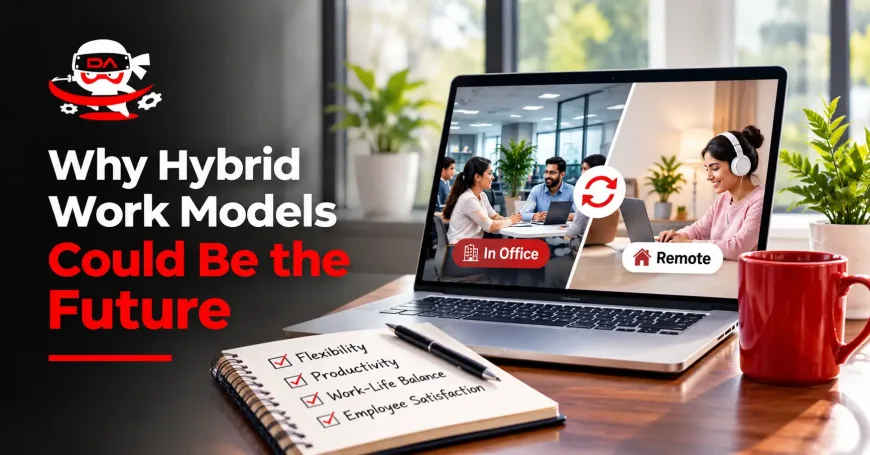
The remote versus office debate has run for years, but many businesses are no longer picking sides. A hybrid work model, where teams split their week between home and the workplace, has become a popular arrangement for roles that can be performed remotely. According to Gallup, hybrid working is a common arrangement among remote-capable employees in the US.
So, is hybrid a passing trend or the future of work? Research suggests it could remain an important part of how businesses operate. The real question is how to make it work effectively.
In this guide, we'll compare remote work productivity and office productivity, explain the importance of team collaboration, and look at what research says about hybrid working. You'll also find practical steps for building a schedule that suits your team.
What Is a Hybrid Work Model?
A hybrid work model combines remote days with planned days in the workplace. The key is ensuring the schedule supports the type of work being done rather than leaving attendance to chance. Here's how it compares with other working arrangements:
Remote work model: Staff work away from the office full time, whether from home or another location.
Office-only model: Everyone works on-site throughout the working week.
Hybrid model: Remote and in-person days are planned around individual responsibilities and team requirements.
The right arrangement depends on business operations, employee responsibilities and communication needs.
Remote Work Productivity: Where Working Away Wins
Remote work productivity can be strongest when tasks require long periods of uninterrupted attention. Analysing data, writing detailed reports or developing complex projects can benefit from fewer workplace distractions. Protecting that focus matters beyond remote working, as this two-week digital detox experiment explores. A remote work model also offers practical advantages:
Time back:
Less commuting can give employees more time for personal responsibilities, exercise or rest.
Location freedom:
For some professionals, remote working opens opportunities for a digital nomad lifestyle, provided their role and employer allow it.
Deeper thinking:
Quiet working periods can support research, writing, analysis and planning.
However, working remotely isn't ideal for every task. Without regular interaction, spontaneous conversations become less frequent, and collaboration may require more deliberate planning.
Office Productivity and Team Collaboration: What Remote Work Can't Replace
Office productivity isn't only about individual output. Informal conversations can help employees exchange ideas, solve problems and learn from one another. Strong team collaboration in a shared workplace offers several advantages:
Informal learning: Newer employees can develop skills by observing experienced colleagues.
Faster problem-solving: A quick discussion may resolve issues that would otherwise require several messages.
Shared culture: Regular interaction can help colleagues build relationships and trust.
This is particularly valuable in creative industries, where human creativity and AI tools can complement one another.
However, office environments can also create distractions. Frequent interruptions and unnecessary meetings may reduce the time available for focused work. A hybrid arrangement aims to balance these competing needs.
Does a Hybrid Work Model Boost Productivity? What the Research Says
A hybrid work model can maintain employee productivity while improving retention when supported by clear expectations and effective management. A Stanford-led randomised trial published in Nature studied 1,612 employees at Trip.com, comparing employees who worked from home two days a week with those working full-time in the office.
The findings included:
Productivity remained stable: Performance reviews, promotions and measured work output showed no significant decline.
Resignations fell by approximately 33%: Hybrid employees were less likely to leave the company.
Managers' perceptions improved: Managers initially expected productivity to decline by 2.6%, but their assessments became more positive after the experiment.
The research suggests that flexibility doesn't necessarily come at the expense of performance. However, these findings don't mean every business will achieve identical results. Outcomes depend on job responsibilities, management practices and how effectively teams coordinate their work.
What Are the Challenges of Hybrid Working?
Although hybrid arrangements offer flexibility, they can create difficulties without proper planning. Common challenges include:
Communication gaps:
Important updates may not reach everyone consistently.
Unequal visibility:
Employees attending the office more frequently may receive greater exposure to managers.
Scheduling conflicts:
Different office days can make collaborative activities harder to organise.
Meeting overload:
Excessive virtual and in-person meetings can reduce productive working time.
Businesses can address these challenges through shared communication platforms, consistent expectations and coordinated office schedules.
How to Build a Hybrid Work Model That Works
Success comes from planning, not simply allowing employees to choose where they work. Consider these practical steps:
Match the day to the task: Reserve remote days for focused work and office days for workshops, training and brainstorming.
Set anchor days: Establish shared office days so colleagues can collaborate in person.
Agree on communication: Define response expectations, meeting guidelines and project update processes.
Measure performance: Monitor project completion, work quality, employee feedback and retention rather than relying on office attendance.
Review regularly: Gather feedback and adjust arrangements as business needs change.
Marketing teams provide a useful example. Keyword research, SEO reporting and campaign analysis often suit remote days, while creative workshops and campaign planning benefit from in-person discussion. For agencies managing multiple clients, consistent processes also help keep content marketing and SEO activities aligned with broader digital marketing strategies.
The Future of the Hybrid Work Model
Team productivity isn't simply the sum of individual output. It also depends on how effectively people communicate, share ideas and work towards common goals.
Businesses that adopt hybrid working thoughtfully can combine the flexibility of a remote work model with the collaborative advantages of an office environment.
The future may not be entirely remote or office-based. Instead, businesses may increasingly focus on creating working arrangements that support employees while maintaining performance and accountability.
Make Flexible Working Work for Your Business
A flexible team still needs clear processes, consistent communication and measurable goals.
Digital Assassin is a Melbourne-based digital marketing agency helping Australian businesses develop digital marketing strategies across SEO, content marketing and paid advertising. Book a discovery call to discuss your marketing priorities.
Frequently Asked Questions
A hybrid work model combines remote working with planned office attendance. Employees complete focused tasks remotely while using shared workplace days for meetings, training and collaboration.
Research suggests hybrid working can maintain productivity. A Stanford-led trial involving 1,612 employees found no significant performance decline among employees working remotely two days per week.
Remote work productivity can benefit from fewer interruptions during focused tasks. Office productivity may benefit from quicker discussions, informal learning and face-to-face collaboration. Hybrid working combines these advantages.
Planned office days create opportunities for workshops, brainstorming and training. Remote days allow employees to focus on individual responsibilities while maintaining communication through shared digital platforms.
Sometimes. Digital nomads generally work remotely, but some employers permit travel between required office periods. Employees should consider workplace policies, time zones, visa requirements and communication expectations.